Showing posts with label Japanesey traditions. Show all posts

Friday, July 19, 2013

Fresno Obon 2013

In a nutshell, obon or bon odori is a special annual Japanese American celebration of the lives of those who have passed away in the past year.  It's a very happy event with lots of food, simple choreographed dancing, and carnival games for little kids and sometimes adults (e.g., bake walk).  One thing I love about the Fresno Obon is that the food is delicious and they experiment with new things every year while keeping the favorites (e.g., somen, koroke, shave ice).  Last year they added grilled fried rice balls and continued that this year, and this year they added more options to the hot dog menu, Hawaiian sliders (they might have had that before), and furikake fries.  Each Japanese Buddhist (Jodo-Shinshu) temple typically has an obon each summer, so track down your nearest one!

See pictures from previous obons here:
Fresno Obon 2008
San Francisco Obon 2008
San Jose Obon 2010
Orange County Buddhist Church (OCBC) 2009
More OCBC Obon 2009
Parlier Obon 2009

Here is a list of this year's obons.


Koroke = Croquettes - basically a fried ball of meat & potatoes. One of my obon favorites.
 
Koroke, koroke sauce, & Fuji Apple sake (so good...)

Spam musubi


See pictures below for how you are apparently supposed to eat somen (dipping it into the juice/sauce instead)
 

I heard the furikake fries were good, but they ran out before I could get them!


I had the "R U Korean" and had the smelliest breath for awhile.


Sunday, December 30, 2012

Making Mochi 2012

Happy 2013! Christmas and New Year's are big holidays for a lot of Japanese Americans. I used to make mochi every Christmas, but lately it's been less often. I was able to make some with Blake's (my fiance) family the other day. Before that, the last time I had helped make mochi was back in 2008 at my relatives' place!


I still haven't mastered how to make perfectly smooth, flawless balls, but they are so delicious when they're fresh and soffffft. I'm not a huge fan of the an (red bean paste) ones, but they are good when they're steamy hot and freshly made or when someone like my cousin, Ashley, heats them in a pan. Hm...It's also good with ice cream in the middle or even if you bake the chewiness into a bread.


They made white, green, and red mochi (See the rice soaking below):


Here's one way to do it (others pound it, which I think takes too long):

Tuesday, August 30, 2011

Drying Persimmons (Hoshigaki) - A Japanese Tradition


Let me say that I am not a food expert. I wish I were, but I really just post here about things I've heard or read from what I think are legitimate sources. For example, for this post on dried persimmons, I'm not going to do much research because I just wanted to share how my family used to make dried persimmons. These pictured here my parents bought because we no longer dry them ourselves.

Anyway, Pinch My Salt posted about persimmons here and made me think about dried persimmons. I LOVE persimmons, or "kaki" (pronounced "kah-kee") in Japanese. Fresh ones and also when they're baked into persimmon cookies. One thing of which I'm not particularly fond are dried persimmons, although now that I've thought about it, they would be good chopped up and put in salads or something. So how did my mom's parents make them? It's kinda funny: You skin Hachiya (the acorn-shaped ones; not the pumpkin-shaped Fuyu ones) persimmons, tie them to strings, and hang them up to dry for days and days, "massaging" them every few days (that's my mom's term; they explain why here). Just on their own they turn ashy.  Too bad I didn't take pictures when I was little. I saw those weird things hanging in the garage (not where cars were parked) often and didn't think much about them except for the fact that I used to like them and then started disliking them. Go here for another description and pictures of the drying process. I'm guessing that Grandpa dried them out in the sun during the day and then left them in the garage overnight.

So...what do they taste like? Depending on how long they've been drying and how long they've been dried, they are usually firm but slightly soft (some, like these here, are very hard), dry (obviously), dense, sweet, slightly cinnamon-y, chewy, and almost grainy with those thin strands of fibrous stuff that's naturally in the persimmon.


Sunday, December 21, 2008

Making Mochi!

I hadn't made mochi in several years (we used to every Xmas), so doing so this past Saturday (12.20.08) made me really happy. This was my first time making it at this house too. I arrived later than most of the people helping, but we made a total of 155 pounds, which is actually not a record...last year they made like 210). Thought I'd share the mochi-making process with you because this is something I love and because recently mochi has become a popular snack at frozen yogurt places as a topping, at restaurants in ice cream mochi, etc. and I thought people might want to know about what those little chewy balls are (they're not boba though!!!)

*Note: mochi alone does not include ice cream; only ice cream mochi has ice cream. So mochi is pretty much a ball of smooshed rice.

You start by making rice (people bring their own rice and distribute the resulting mochi to friends and family):

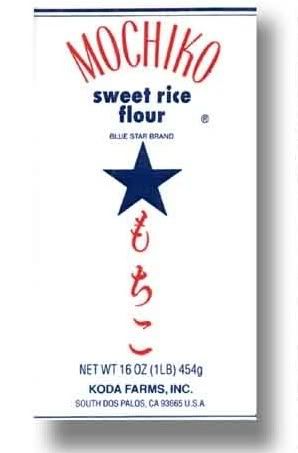
A bunch of people to help (usually all women...the men usually talk, eat, and take care of the rice...hmmm). You also need a long table, sweet rice flour (we use this mochiko stuff), trays, and more tables on which to cool the mochi.

Someone puts rice into the machine(s), the white poo-like goop comes out (see pic below), which someone cuts off into globs and puts back into the machine (to make it smoother), and then when it comes back out, someone pinches off small balls (I have no idea how though...it's freaking hot!) and throws them down the table.


People grab the mochi that comes to them and quickly "momo" (hm...Japanese term meaning like handling gently or like massaging or something; no one's ever actually explained what it means to me) it until it's a smooth round ball.


Sometimes you add little balls of an (red bean paste--sometimes smooth, sometimes with chunks of beans) into the center, which requires quick momo-ing (lol) and pinching so that the rice doesn't dry into ugly wrinkles, but most are just plain. Here are some an balls:

Then the mochi cools off on a separate table like this:

Here's the inside of an an-filled mochi:

My favorite thing to do with mochi though is eat it with sugar and shoyu (soy sauce). SO GOOD.

Some observations I hadn't had (or thought much about) before at previous mochi-making events:
* Gender roles: Men make the rice and women turn it into mochi (although I've seen women make the rice before too)
* This event is simultaneously a potluck (of course I've noticed this before, but I had never thought about how mochi making involves two different kinds of food production and consumption (my Anthropology of Food class makes me think about food-related patterns and details now)
* People get angry if you bring too many pounds of rice (someone complained that someone's girlfriend brought 50 pounds of rice one year, which she said was really rude)
* We usually make mochi out in the boonies (ag land...yay Central Cal!)

**Also: Some people pound mochi (they did that in Hanford one time), but we don't.